In today’s fast-paced work environments, finding the right information quickly is key to productivity and smarter decision-making. Traditional wikis, while foundational for knowledge sharing, often fail to keep pace with rapidly changing data and user needs. A new generation of knowledge management platforms has emerged to fill this gap, offering dynamic, intelligent solutions that go well beyond static content repositories.
Why Traditional Wikis Are Losing Ground
Traditional wikis typically function as static pages where users manually update content. This can lead to several issues:
- Outdated Information: Content can become stale, with no automated way to verify accuracy or relevance.
- Fragmented Search: Finding information often requires sifting through multiple pages and links, leading to wasted time.
- Limited User Engagement: Wikis rely on contributors keeping pages current, which can be inconsistent.
These challenges impact teams, especially in startups and marketing groups, where agility and real-time information are essential to stay competitive.
Dynamic Information Retrieval with Advanced Knowledge Bases
Modern knowledge bases incorporate intelligent search algorithms that actively scan and index the entire repository and linked documents. These systems improve accuracy by continuously updating and surfacing the most relevant, up-to-date content.
- Contextual Search: Instead of simple keyword lookup, searches understand intent, delivering precise answers quickly.
- Real-Time Updates: Edits and new entries are integrated immediately, ensuring users access fresh information.
- Seamless Integration: Automatic content verification tools reduce duplicate or conflicting data, maintaining a clean knowledge base.
Top Solutions Leading the Shift
Several platforms exemplify these capabilities with practical applications for teams and organizations:
- Notion Knowledge Base: Integrates intelligent agents that autonomously maintain and update content, reducing manual effort. Ideal for founders and makers looking to centralize workflows. Learn more on Inspire Tech Today’s AI Tools section.
- Guru: Offers AI-powered search plus knowledge verification and browser extensions, enabling marketing teams to capture and disseminate verified customer info quickly.
- Confluence with Atlassian Intelligence: Combines traditional documentation with smart content generation and summarization, enhancing team collaboration.
- Tettra: Designed for smooth Slack and Microsoft Teams integration, supporting quick Q&A and gap detection critical for fast-moving startups.
- Kimi AI: Focuses on productivity by combining knowledge management with smart assistant features at a competitive price point.
Practical Benefits for Users and Teams
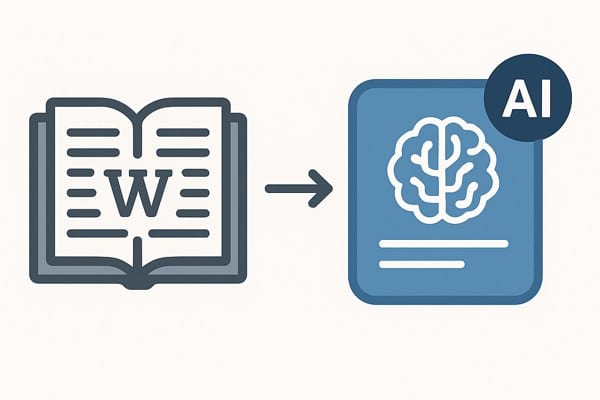
Organizations that adopt these smarter knowledge bases often see concrete gains in workflow efficiency and employee experience:
- Faster Decision Making: Employees spend less time searching and more time acting on relevant information.
- Increased Accuracy: Automated verification tools keep data reliable, reducing errors caused by old or incorrect details.
- Improved Collaboration: Teams stay aligned with shared, live-updated knowledge bases accessible from common tools like Slack or Teams.
- Reduced Onboarding Time: New users get quick answers through smart Q&A features, easing learning curves.
Checklist: Adopting a Modern Knowledge Base
- Identify your primary use cases (e.g., customer support, internal documentation, marketing collateral).
- Evaluate integration options with existing tools (Slack, Teams, Google Workspace).
- Confirm pricing alignment with your team size and budget—many platforms start around $4–$10 per user monthly.
- Test AI-powered search and content maintenance features during free trial periods.
- Assess user interface ease-of-use to ensure quick adoption by non-technical team members.
- Plan for periodic content audits supported by platform alerts for gaps or outdated info.
Next Steps for Teams and Founders
If your organization still relies heavily on traditional wikis, it’s time to explore smarter options that enhance knowledge retention and accessibility. Start by:
- Mapping the key knowledge workflows your team depends on.
- Exploring platforms like Notion Knowledge Base or Guru to understand the benefits of intelligent search and content management.
- Implementing a pilot project with a small team to measure improvements in productivity and accuracy.
For a deeper dive into practical productivity tools and strategies, visit Inspire Tech Today where we regularly explore innovative solutions for builders, marketers, and business founders. You can also check detailed product info and user guides, such as the comprehensive coverage on Guru and other leading platforms.
Transitioning to an advanced knowledge base is an investment that pays off by empowering your team to find the right answers right when they need them, drastically improving workflows and boosting confidence across the board.